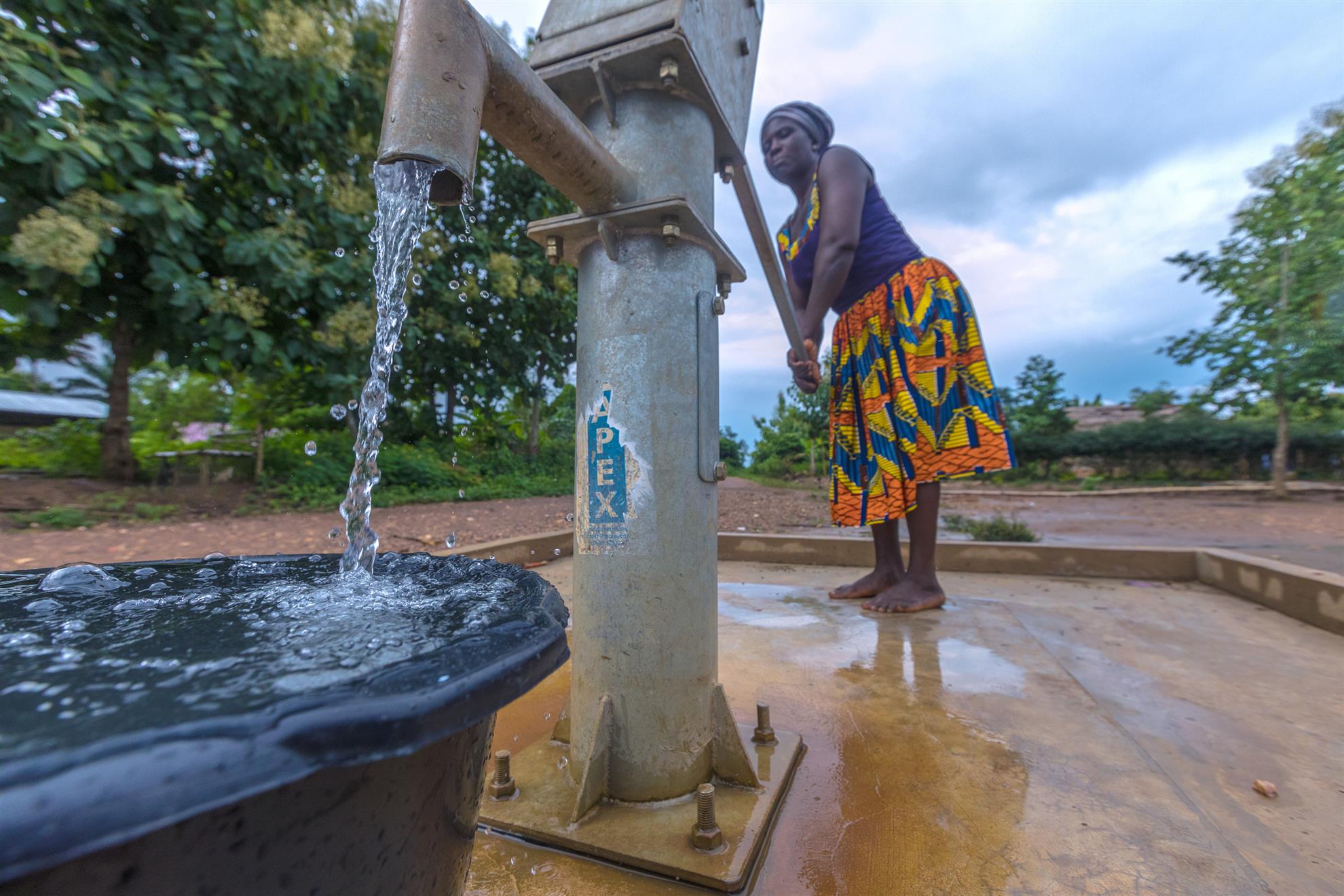
Water, water everywhere. Or not. Isn’t it amazing how much we take for granted the ability to turn on the faucet and readily have clean, safe water to drink, cook with, bath in and nourish our land! Having such a service would be considered a luxury in some parts of the world. Please know that your cities, counties, and the state work tirelessly to provide this critical component of our everyday infrastructure.
Especially in the summer in South Texas, it is most important to HYDRATE. Be sure you drink plenty of water and take precautions in the extreme heat: find shade, wear broad brimmed-hats and long sleeves (yes, I know they are HOT), apply sunscreen frequently, take frequent breaks, and watch for danger signs. Stop and cool down if you feel faint, have cramps, are excessively sweating, develop a headache or are dizzy.
The Texas Department of Safety lists water as one of the “lifeline sectors” upon which all other activities depend upon to function. Groundwater comes from 31 aquifers supplying about 90% of our water usage. Approximately three-fourths is used for crop irrigation. There are over 4600 community public water systems and 2513 active permits for wastewater treatment facilities in Texas.
The Texas Commission on Environmental Quality (TCEQ) oversees and assists cities in maintaining safe water supplies. Routine monitoring of chemical and bacterial levels direct water treatment systems.
Occasionally, usually during a hurricane or tornado, water systems are shutdown, and communities undergo a “boil water” notice. While inconvenient, following such directions is an important step to maintain your health. Water-borne diseases such as cholera, hepatitis A, shigellosis can occur in contaminated water.
Here in South Texas, we’ve seen how natural disasters like hurricanes or droughts can impact our water systems. That’s why water safety and conservation are not just international concerns — they’re local ones too.
As Rotarians, we can continue to make a difference by supporting clean water projects, both abroad and at home. Whether it’s helping to fund a well in a developing country, promoting water testing in underserved communities, or simply educating others about the importance of this issue — every action counts. Clean water isn’t just about survival. It’s about dignity, health, and opportunity.
Celebrate your health and protect it by understanding clean water systems. For further information, please visit https://www.tceq.texas.gov/drinkingwater.
What Rotary is doing?
Rotary has made clean water a global priority — and for good reasons. Safe water helps reduce disease, keeps kids in school, and supports healthy, thriving communities. It also plays a key role in hygiene and sanitation. Something as simple as handwashing with clean water can prevent the spread of infections.
Rotary recognizes the importance of addressing the water and sanitation crises holistically with our partners. This means that protecting, restoring, and sustainably managing water resources to improve their quality and quantity is a vital step toward increasing access to safe water and sanitation for communities. Rotary members devote their time, technical expertise, and social influence toward:
- Facilitating universal and equitable access to safe and affordable drinking water.
- Improving water quality by protecting and maintaining surface and groundwater resources, reducing pollution and contaminants, and promoting wastewater reuse.
- Facilitating universal and equitable access to improved sanitation and waste management to achieve communities free from open defecation.
- Improving a community's hygiene knowledge, behaviors, and practices to help to prevent the spread of diseases.
- Strengthening the capacity of governments, institutions, and communities to develop, finance, manage, and maintain sustainable water and sanitation services.
- Ensuring access to clean water and sanitation is No. 6 in the UN Sustainable Development Goals, a testament to its fundamental role in public health and a healthy environment. The UN recognizes that access to safe water and sanitation is a human right. For the universal fulfillment of these rights to become reality, we need the right systems: well-resourced, capable institutions that deliver services and encourage healthy behavior in appropriate ways, including the following steps.